


Research Group of Membrane Separations
About the research group
Our research focuses on polymer membranes with functional modifications, using ionic liquids, hierarchically porous particles, polymers of intrinsic microporosity, and other advanced materials, as well as on intensifying separation processes in composite membranes and membrane modules. We also investigate the separation of volatile organic compounds (VOCs) from air and develop predictive physicochemical models of their transport properties in membranes.
Another research objective is to develop membranes for the specialized separation of liquid mixtures, such as the separation of individual enantiomers and the removal of pharmaceuticals and endocrine disruptors. We collaborate with research partners to develop functional selectors, including Charles University, the University of Chemistry and Technology Prague, Jan Evangelista Purkyně University, VSB – Technical University of Ostrava, and the Technical University of Liberec. We use various separation methods to test new materials, including perstraction and pervaporation. To gain a deeper understanding of the separation efficiency of the studied compounds with different selectors and in different environments, we also employ molecular dynamics simulations.

Separation of gas mixtures
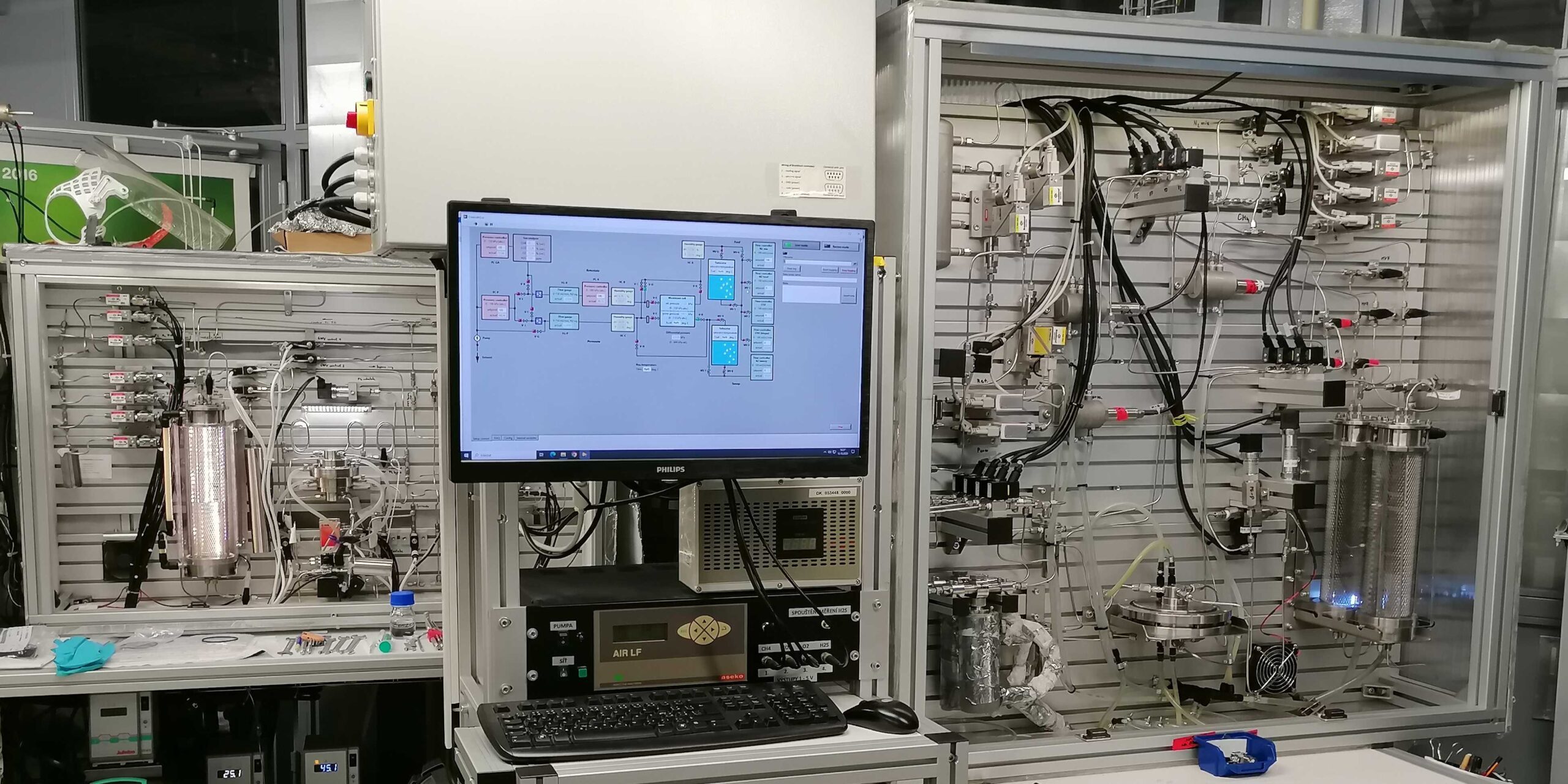
We focus on membrane-based separation of gas mixtures, particularly the upgrading of raw biogas from various sources to produce an alternative fuel, CNG. In line with current decarbonization trends, we also investigate the capture of carbon dioxide (CO₂) and other gaseous pollutants from flue gases. Flue gas treatment has significant potential for industrial applications, particularly due to rising emissions allowance prices and increasingly stringent emission limits. Gas separation is studied using both commercially available membranes and membranes developed in our laboratory or in collaboration with research groups in the Czech Republic and abroad.
We primarily study polymer membranes incorporating ionic liquids, polymers of intrinsic microporosity, and composite membranes with targeted surface modifications or modified process conditions. Experimental data are used to evaluate the transport and separation properties of these membranes, both to assess the potential of the materials for practical applications and to provide input for models used to design membrane modules and separation processes.
Separation of Organic Vapors from Air
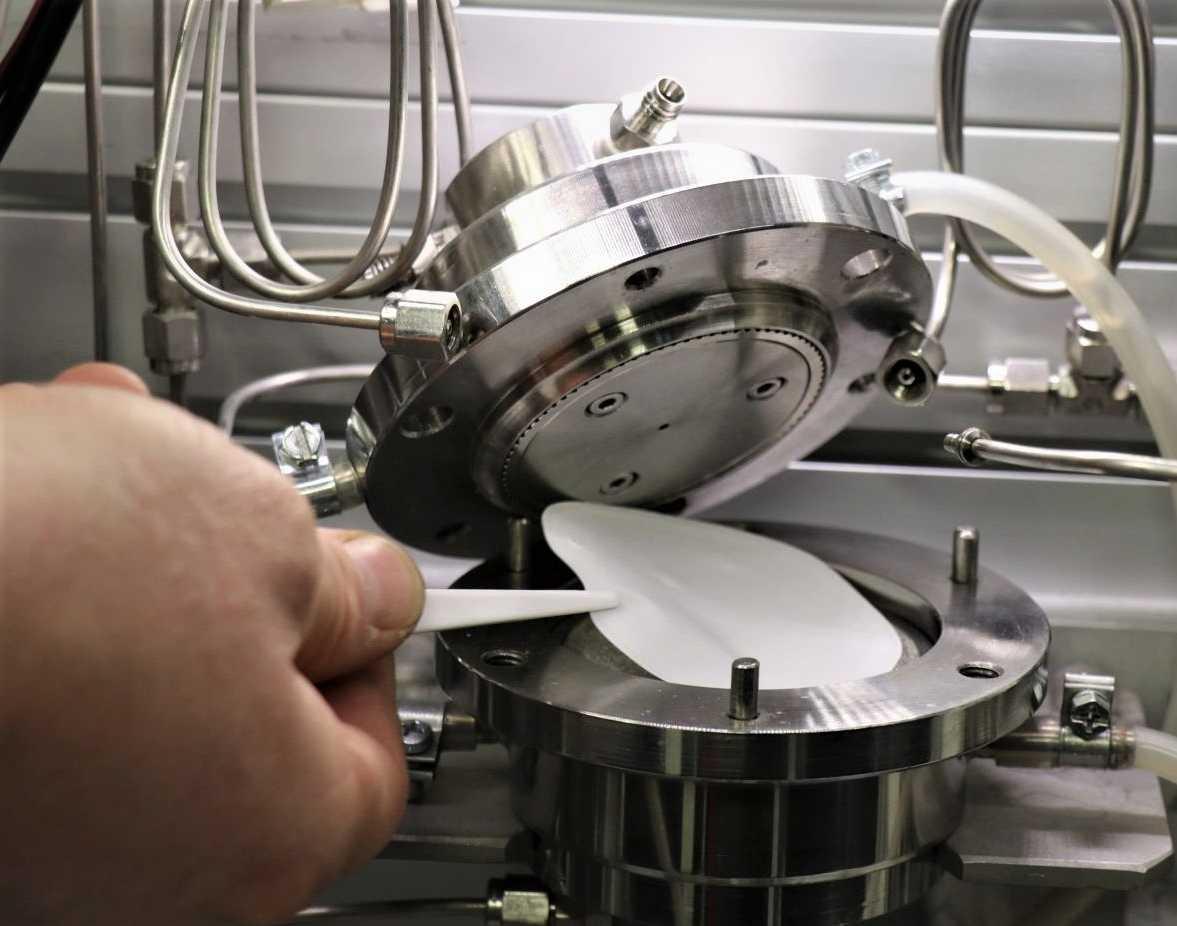
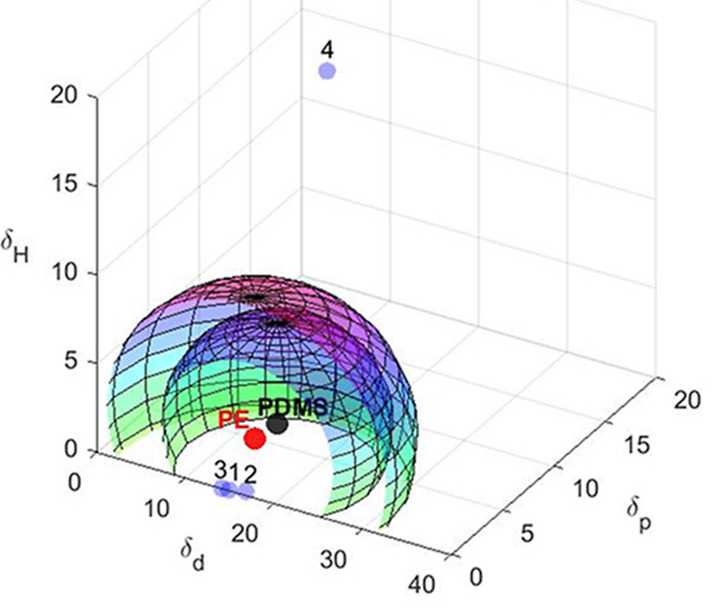
This research area focuses on the transport and separation properties of polymeric and composite membranes for capturing organic vapors from air. We investigate membrane performance under various feed conditions, including long-term exposure to organic compounds, as long-term stability is a key factor in selecting suitable materials. Experiments are carried out using our unique, fully automated permeation apparatus. Our research covers a broad range of structurally diverse organic compounds, enabling us to investigate different physicochemical models for describing vapor solubility, transport, and interactions with polymers.
Separation of Liquid Mixtures
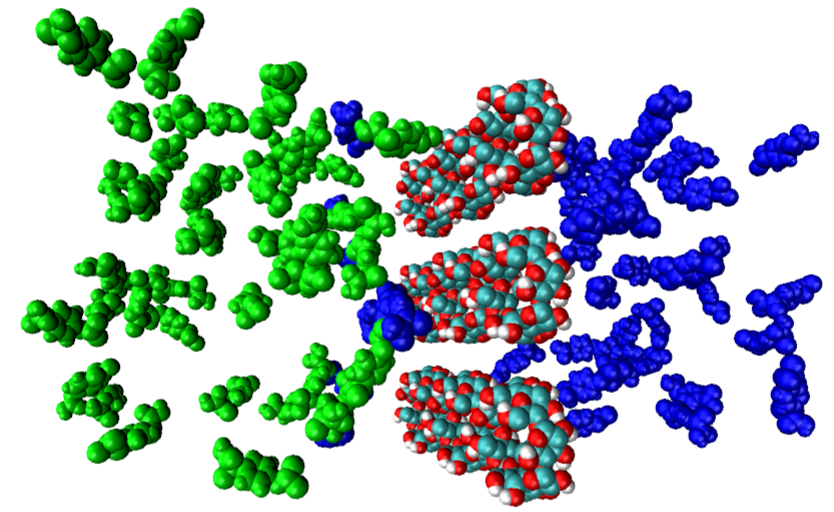
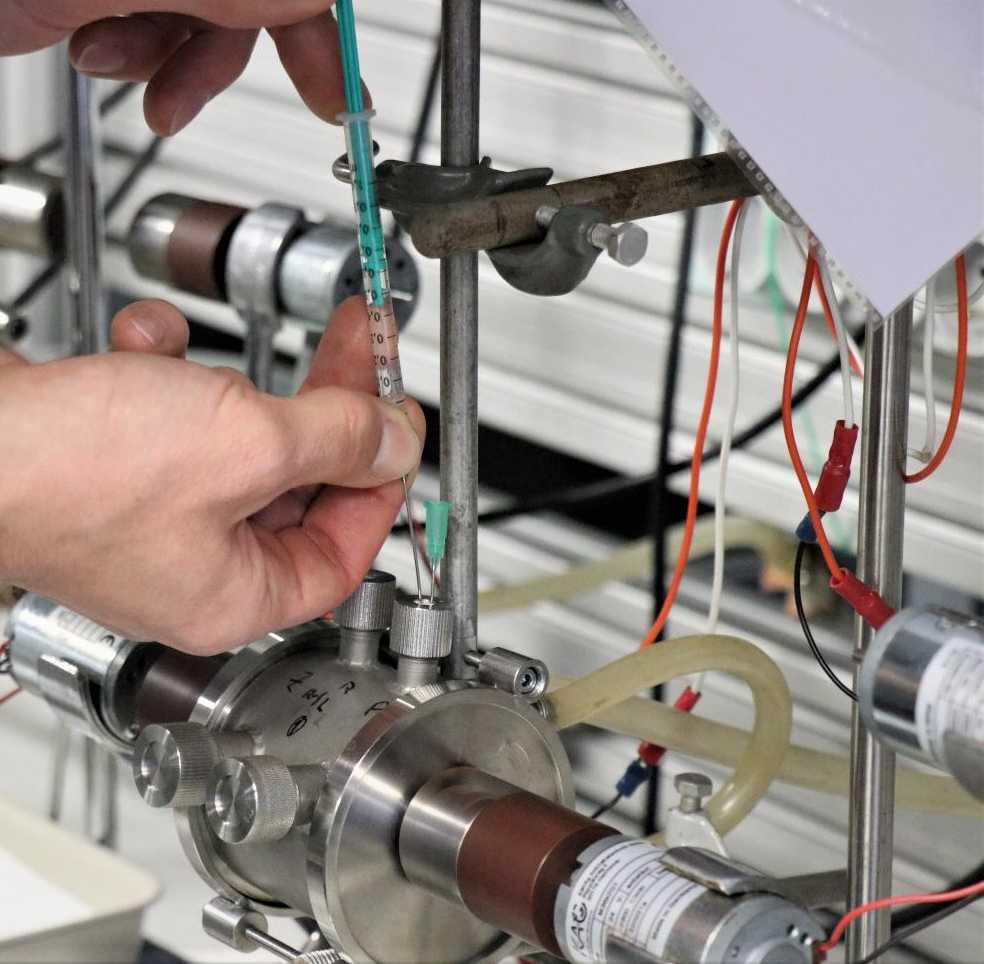
The study of liquid mixture separation is conducted using unique, custom-built pervaporation and perstraction setups. While pervaporation enables the separation of various liquid mixtures, including azeotropes, the goal of perstraction experiments is to obtain enantiomerically pure compounds and capture various pharmaceuticals from water.
The research operates on two levels: experimentally, by determining transport and separation properties across membranes with suitable selectors; and theoretically, utilizing molecular dynamics modeling to understand the elementary separation steps on the investigated selectors as well as the impact of other process parameters (solvent polarity, pH, etc.).


Sep 6, 2026

Aug 31, 2026

Aug 31, 2026
Projects
Instrumentation
Members
Ing. Petr Stanovský, Ph.D.
Scientist, Head of Research group
prof. Ing. Pavel Izák, Ph.D., DSc.
Senior Scientist
prof. Ing. Michal Kohout, Ph.D.
Scientist
Ing. Zuzana Petrusová, Ph.D.
Scientist
RNDr. Jiří Škvára, Ph.D.
Scientist
Ing. Jan Čížek, Ph.D.
Postdoctoral Fellow
Ing. Zdena Rudolfová
Ph.D. Student
Ing. Jana Floreková
Research Assistant
Ing. Kirill Iablochkin
Research Assistant
Ing. Lenka Morávková
Research Assistant
Ing. Andrea Žitková
Research Assistant