NMR Metabolomics
Early Detection of Pancreatic Cancer in Type 2 Diabetes Mellitus Patients
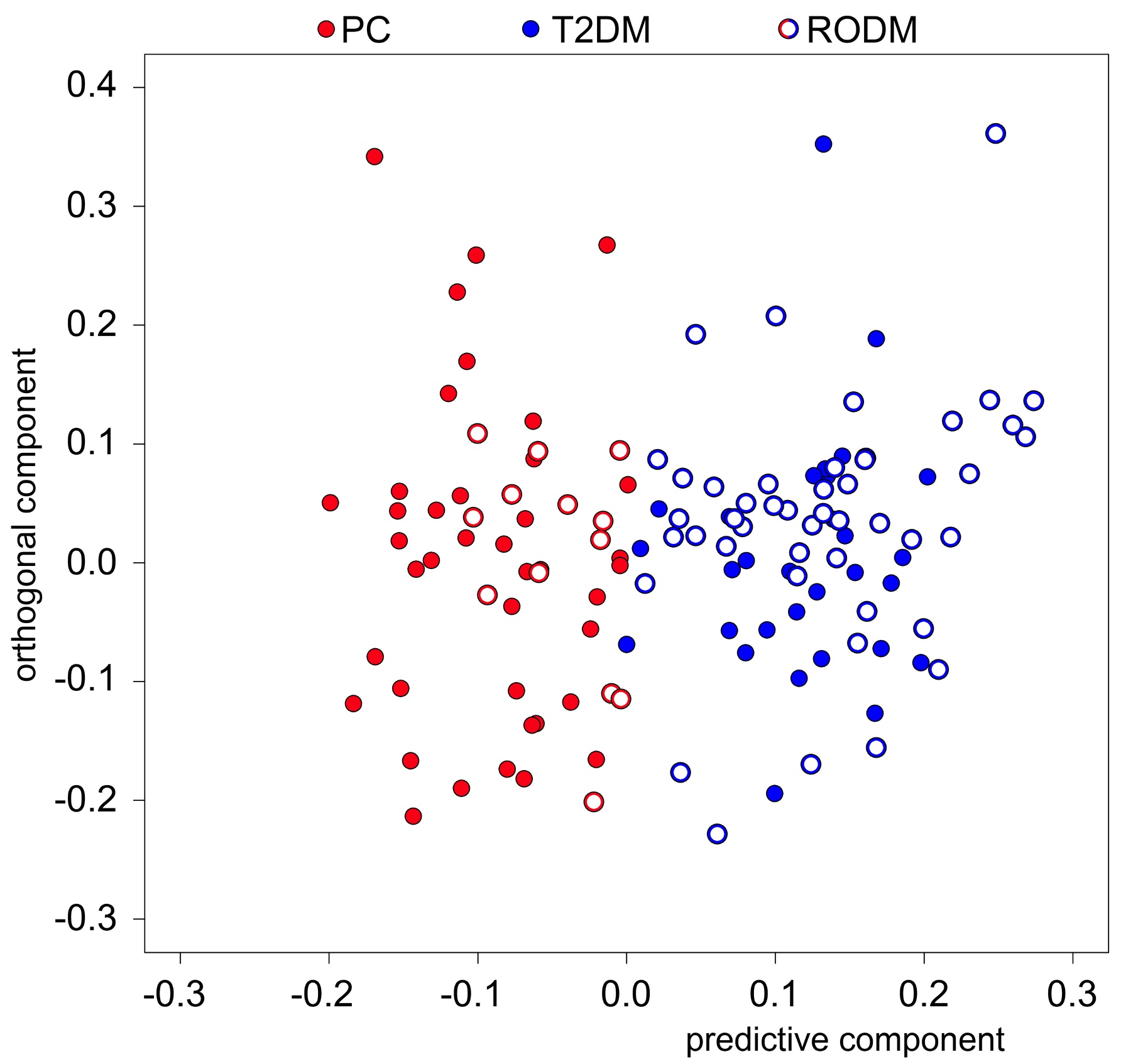 1H NMR spectroscopy was used to investigate metabolic changes in blood plasma induced by pancreatic cancer. In the original work, the concentration profiles of about ca. 60 metabolites were determined in blood plasma samples of patients and healthy controls. The obtained data served as input for a multivariable statistical analysis, which revealed a clear separation of both groups. The largest changes were found in the concentrations of 3-hydroxybutyrate and lactate. These results have indicated that 1H NMR spectroscopy can have the potential for the diagnosis of pancreatic cancer. This work was published in 2018 in the journal Analyst. In a subsequent study, the focus was aimed at the detection of pancreatic cancer in patients with type 2 diabetes. Patients with newly diagnosed diabetes have the highest risk of pancreatic cancer development. Type 2 diabetes mellitus is often confused with so-called pancreatogenic diabetes, which is considered the first manifestation of pancreatic cancer by some experts. Therefore, our further work was aimed at the discrimination of patients with cancer from those with diabetes. Successful discrimination subsequently allowed the creation of a predictive model for the classification of new diabetics according to the probability of future pancreatic cancer development or turning into stable type 2 diabetics. This work was recently published in the Journal of Proteome Research. In total, 59 blood plasma samples from newly diagnosed diabetics were analyzed. Six samples were determined to have an 80% probability of developing pancreatic cancer. Subsequent medical examinations of the current condition of these patients showed changes in the pancreas pathology in four cases. In one case, cancer was directly diagnosed, in three other cases, the formation of dangerous lesions was detected, which are considered to be its first manifestations. This work was done in cooperation with the Military University Hospital and the University of Chemistry and Technology Prague.
- Analyst 2018, 143(24), 5974–5978. DOI: 10.1039/c8an01310a
- J. Proteome Res. 2021, 20(3), 1744–1753. DOI: 10.1021/acs.jproteome.0c00990
Effects of Workers Exposure to Nanoparticles
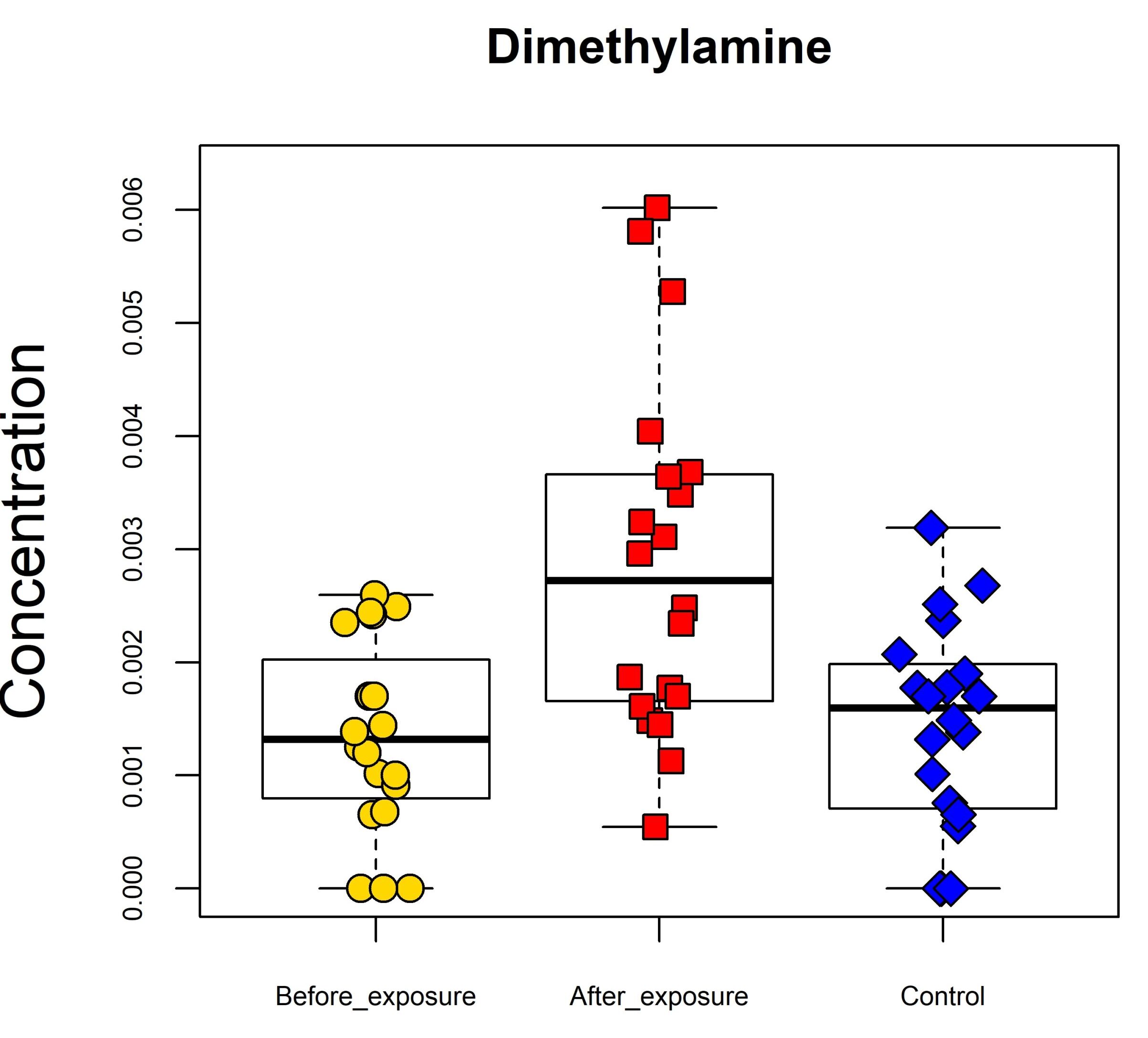 Another NMR metabolomics project of our group was focused on the effects of occupational exposure to nanoparticles (NPs). In this study, exhaled breath condensate (EBC) and blood plasma samples were obtained from a research nanoparticles-processing unit at a national research university. Three groups of subjects were examined: samples from workers exposed to nanoparticles collected before and after shift (pre-shift and post-shift), and from controls not exposed to NPs. A comparison of the pre-shift and control samples reflected a subacute/chronic effect of NPs exposure, while a comparative study of the pre-shift/post-shift and post-shift/control group was applied to uncover the acute effect on the workers’ health. Multivariate statistical analysis provided clear discrimination of the groups studied. Based on the statistically significant metabolites, which are responsible for the group separation, impaired metabolic pathways were identified. The acute effect of NPs exposure is mainly reflected in the pathways related to the production of antioxidants and other protective species, while the chronic effect is manifested mainly in the alteration of glutamine and glutamate metabolism, and the purine metabolism pathway.
- Appl. Sci. 2021, 11(14), 6601. DOI: 10.3390/app11146601