Scientists from the Department of Materials Chemistry have been awarded the THETA 2 project “Sustainable technologies for synthetic fuel production and energy storage” (2025-2029) by the Technology Agency of the CR. The project aims to develop innovative technologies for efficiently converting CO₂ into synthetic fuels and energy storage, thereby contributing to the decarbonization of the energy sector. Specifically, it involves:
- Development of an electrochemical system capable of stably and efficiently reducing CO₂ into e-fuels with high selectivity and efficiency, which will be measurable through Faradaic efficiency (65%) and long-term stability (min. 2000 hours).
- Integrating the electrochemical system with a catalytic unit for producing e-fuels will enable the efficient use of co-generated hydrogen, which will lead to higher energy efficiency of the entire process.
- Development of an ecological organic redox flow battery with a capacity of 5 kWh and a lifetime of min. 2000 cycles, providing a sustainable alternative to traditional batteries.
This cutting-edge invention is on its way to stabilizing the grid by storing excess renewable energy in the form of hydrogen. The ICPF is preparing to commercialize an electrolyzer with a rapid start-up of hydrogen production. The technology will help reduce carbon footprint and optimize energy costs. The new electrolyzer, developed by the Research Group of Laser Chemistry of the ICPF in cooperation with the Centre for Transfer of the Czech Academy of Sciences (CETAV), offers several advantages over its commercially produced alternatives.
- „These include unrivalled speed of cold start, low installation costs, scalable modular design, and energy-efficient use of the power source. High flexibility and fast response to power surpluses in the grid are also a matter of course,“ describes Vladislav Dřínek, one of the authors of the electrolyzer.
The electrolyzer can deliver hydrogen at full power in less than three minutes from a cold start and uses a combination of alkaline technology using an ion-selective membrane.
- „This membrane, developed and produced in the Czech Republic, enables a fast cold start of electrolysis. This is crucial for maintaining grid stability and the use of renewable energy sources such as solar and wind power plants at times when they supply excess energy to the grid,“ explains Vladislav Dřínek.
The technology promises to reduce the carbon footprint in addition to providing stable energy, which is in line with the EU’s energy priorities.
- „The patent-protected electrolysis system (in Czech) can be used to transform captured carbon dioxide into organic products readily applicable in the chemical and energy industries,“ specifies Jan Storch from ICPF.
- The technology is designed primarily for energy companies and industrial businesses looking for efficient ways to reduce their carbon footprint and optimize energy costs. It is also suitable for stabilizing the grid due to fluctuations in renewable energy production. „ Furthermore, it is designed for all organizations and companies that want to contribute to environmental protection and use advanced technologies for sustainability, “ specifies Vladislav Dřínek.
- „The new electrolyzer allows users to achieve considerable savings thanks to its high efficiency and low installation costs,“ confirm Pavel Dytrych and Radek Fajgar, who also created this invention at the ICPF.
The Institute has already filed international patent applications to protect developed know-how. Scientists from the ICPF together with specialists from CETAV are now looking for a partner either to buy the licence for this solution or to participate in the establishment of a spin-off company together with the inventors or to further develop the technology. The scientists consider companies specializing in energy technology and industrial applications as possible partners. The deployment of this technology could be a major step forward in the fight against climate change and help achieve long-term environmental protection goals.
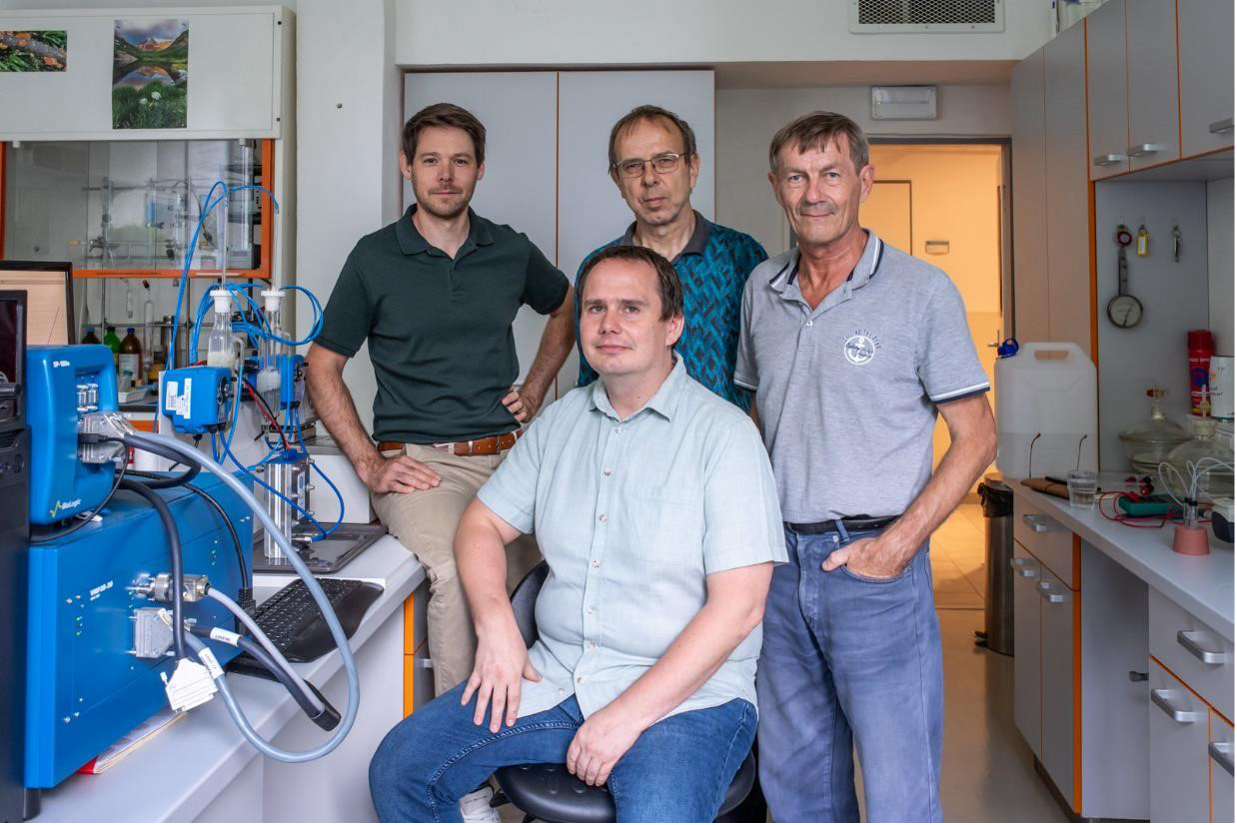 Team with electrolyzer prototype Team with electrolyzer prototype |
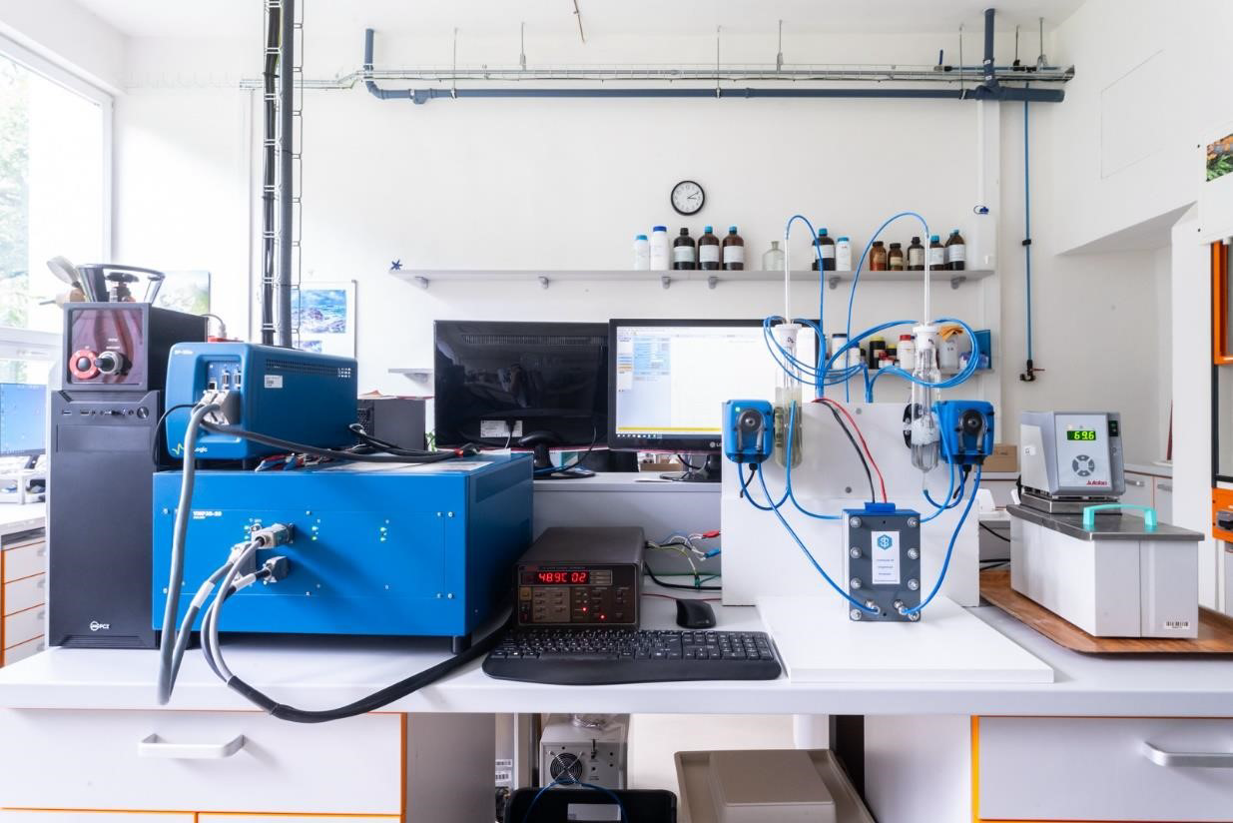 Electrolyzer prototype Electrolyzer prototype |
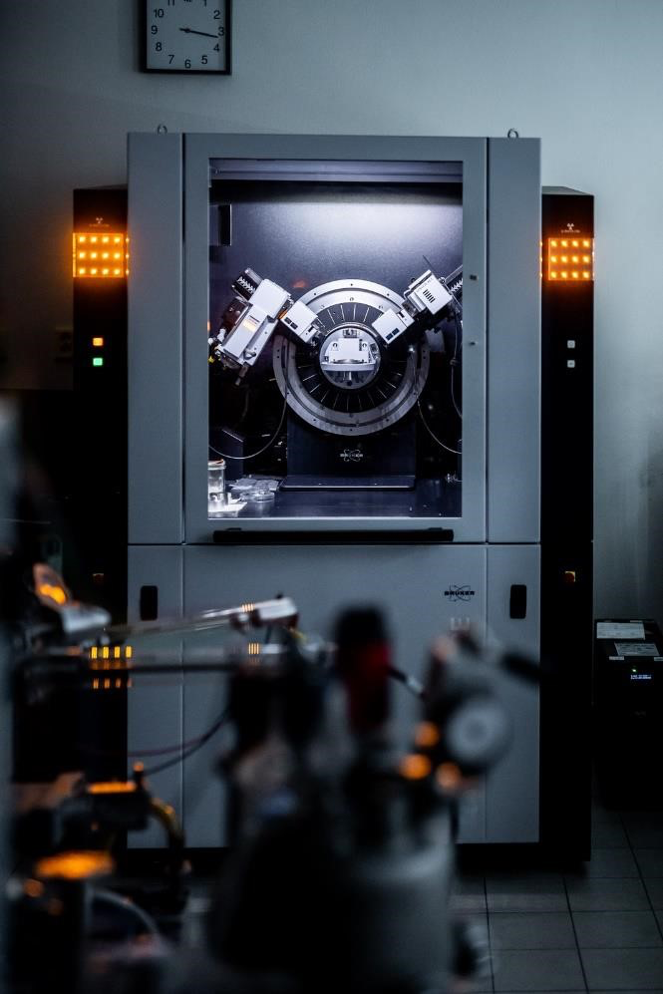 Laboratory infrastructure Laboratory infrastructure |
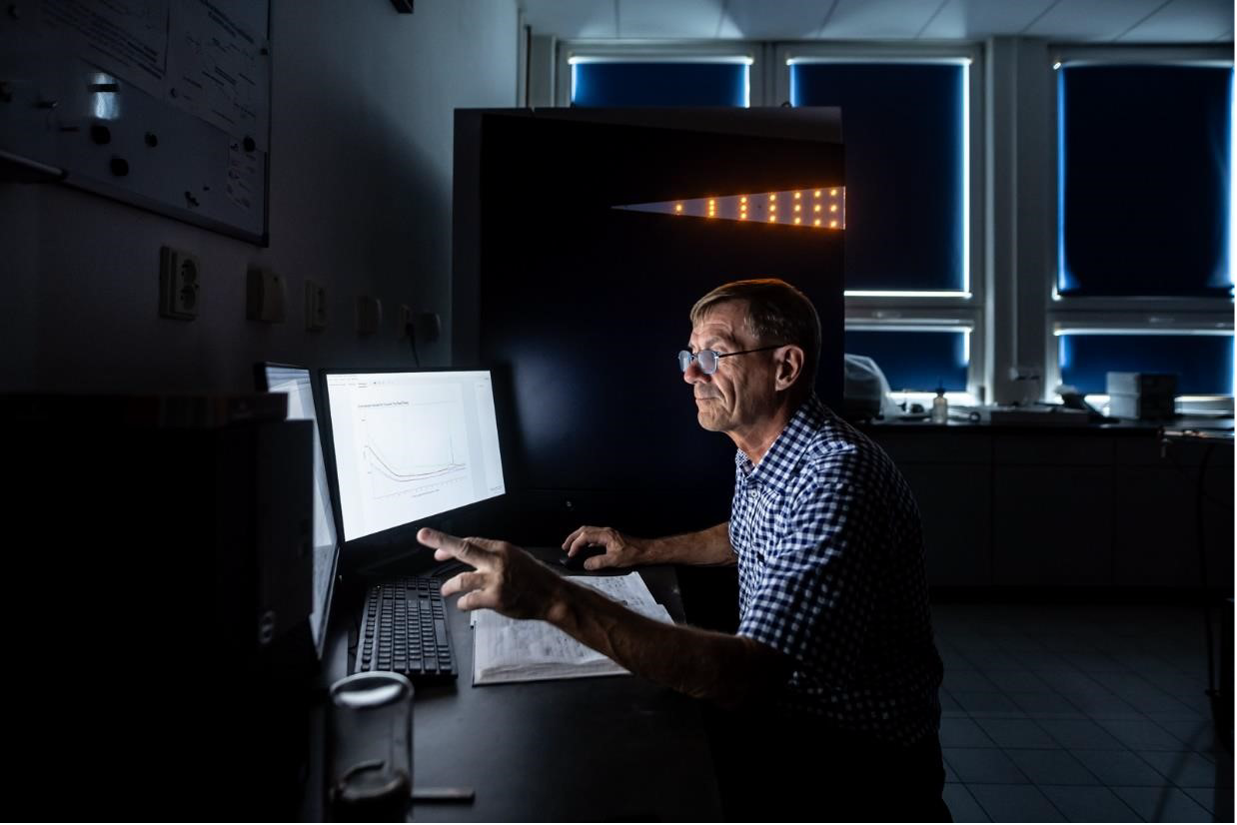 Dr. Fajgar, Head of the research team, explains measured data Dr. Fajgar, Head of the research team, explains measured data |
Photogallery, © Jana Plavec, CAS