Department of Environmental Engineering
In the field of environmental engineering, we draw on our long-standing expertise in chemical sciences and chemical engineering to develop innovative processes aimed at environmental protection. Our work includes the development of new technologies for reducing pollutant emissions, wastewater treatment, waste management, and efficient resource utilization. We place particular emphasis on studying the physical and chemical properties of aerosols, their formation, transformation, and impacts on air quality and human health. We combine fundamental research with an applied approach—first striving to gain a detailed understanding of the phenomena at both the molecular and process levels, and then translating this knowledge into practice by addressing the specific needs of our industrial partners. Through this synergy, we are able to create sustainable and efficient technologies that have a tangible impact on improving the environment.
 |
 |
Department of Environmental Engineering comprises two Research Groups (see Organizational Structure) focused on the following areas:
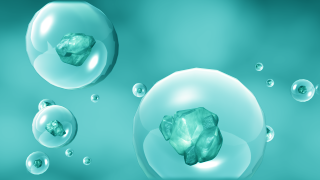
Study in the field of aerosols has a long tradition at the ICPF and takes place in the Research Group of Aerosol Chemistry and Physics. The group focuses on better understanding the behavior of atmospheric aerosols. The primary focus is particle size distributions since particle size is a key parameter. The other key topic is the chemical composition of aerosol particles. For example, both a particle’s size and its chemical composition determine whether the particle will serve as cloud condensation nuclei, therefore driving the indirect effect of aerosols on climate. Hygroscopicity, which is dependent on both particle size and chemical composition, influences which part of the human respiratory tract particles will deposit, with chemical composition later driving the body’s response. Aerosol hygroscopicity and resulting particle size influence visibility through the aerosol. In addition to that, the chemical composition of aerosols based on concentrations of marker compounds, together with particle size distribution, can serve as a basis for detailed source apportionment/receptor modeling. The research group also contributes to the European Research Infrastructure Consortium ACTRIS ERIC providing a calibration laboratory for aerosol spectrometers and counters. Occupational exposure to aerosol (nano) particles is studied in the research group since it was shown to lead to elevated levels of specific biomarkers in the body fluids of workers. Interaction of aerosol indoors with cultural artifacts is also studied including advanced techniques for restoration of library and archival collections using aerosol technology.
|
|
 |
 |
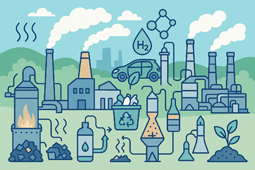
Study in the field of energetics at the ICPF takes place in the Research Group of Waste Management and Sustainable Technologies. This primarily involves the development of new procedures for increasing the efficiency of thermochemical conversion of fuels with the use of new and alternative fuels and further reducing the impact on the environment. These activities are oriented in two main directions. The first includes the development of new and more effective processes of flue gas treatment, effective and clean utilization of new waste-based fuels, and the search for suitable methods of processing and using solid waste from energy production. The second is the development of technologies to advance decentralized systems for the use of alternative fuels and biomass by gasification and pyrolysis and their transformation to synthesis gas of a quality suitable for the production of chemical commodities, primarily transport fuels, and hydrogen.
 |
 |
 |
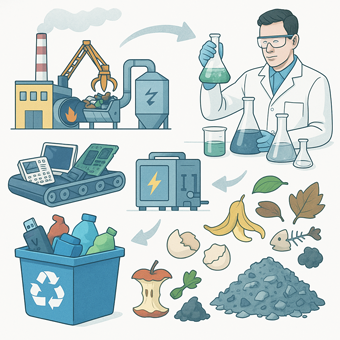
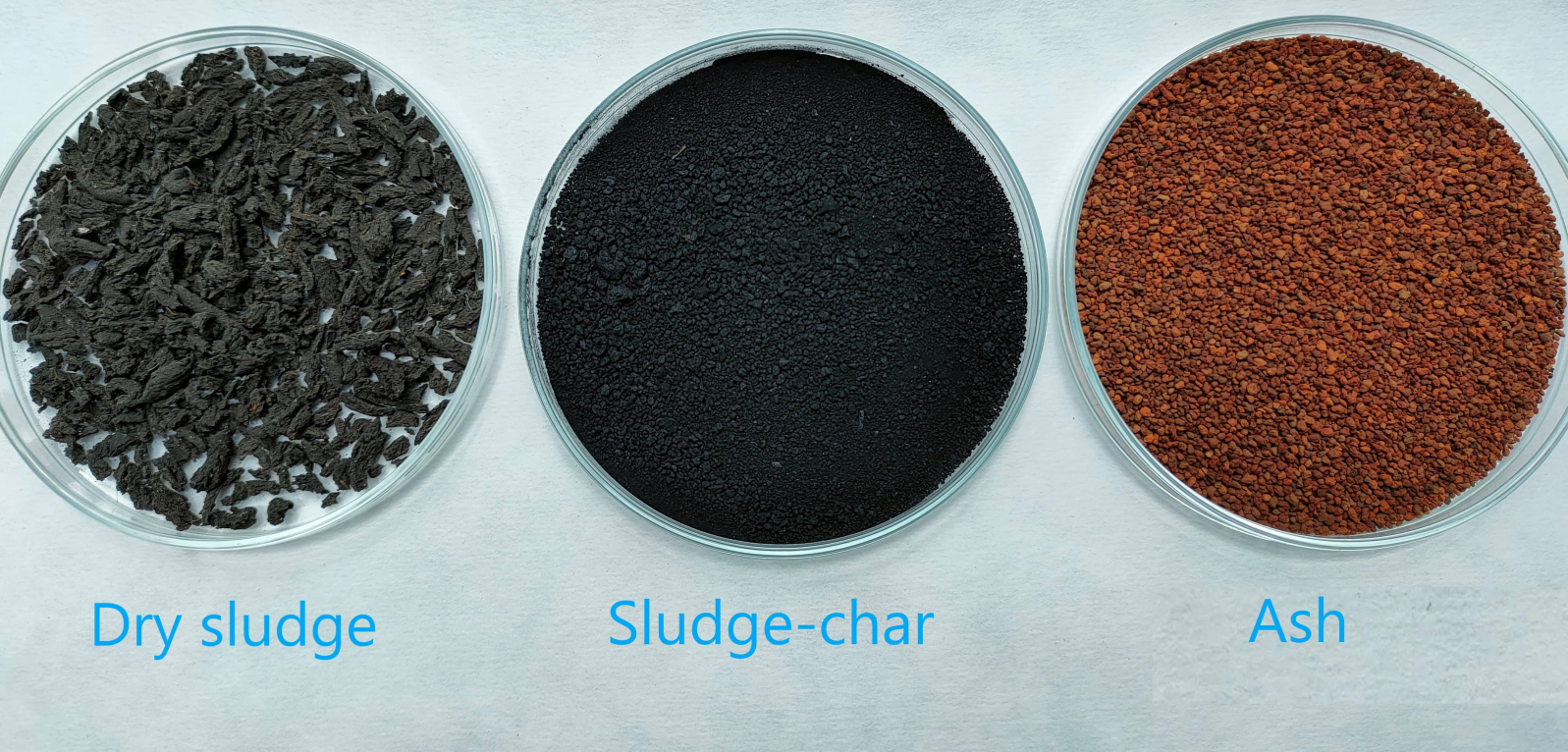
Study in the field of waste-to-energy at the ICPF is concentrated in the Research Group of Waste Management and Sustainable Technologies. The department is occupied with, among other things, the energy and material recovery of waste and the recycling of waste. Efforts in energy recovery involve the safe use of various atypical wastes, the search for new methods of flue gas treatment, and the development of methods for the treatment of solid residues from waste incineration such as fly ash and bottom ash for the purpose of obtaining valuable components. In the field of waste treatment and recycling, we develop methods for processing municipal waste and industrial waste such as electronic waste, plastic waste, biological waste such as food waste sewage sludge, etc. We consider waste as a source of raw materials or energy and approach it accordingly.
 |
 |
 |
Other areas of our research
Department of Chemical Engineering
We are a unique chemical engineering research institution with more than 60 years of excellence in fundamental and applied research.
Department of Environmental Engineering
We leverage our expertise to develop sustainable environmental protection technologies and to study the physics and chemistry of aerosols.
Department of Materials Chemistry
We design advanced materials for electronics, photovoltaics, and biomedicine in close collaboration with industrial partners.